Dubai Strengthens Position as a Global Wealth Hub Despite Economic Uncertainty, Julius Baer Report Finds
Swiss private bank Julius Baer, one of the world’s leading wealth management groups with more than CHF 528 billion in assets under management, has published its Global Wealth and Lifestyle Report 2026, an annual study examining the cost of luxury living, wealth trends and investment behaviour among high-net-worth individuals (HNWIs). The report compares leading global wealth centres and provides insights into how affluent individuals are adapting to shifting economic conditions.
Dubai Offers Strong Value Despite Rising Global Luxury Costs
Dubai continues to reinforce its reputation as one of the world’s most competitive destinations for wealthy individuals, according to the Julius Baer Global Wealth and Lifestyle Report 2026. While the cost of luxury living increased sharply across much of the world over the past year, the emirate maintained an attractive balance between premium lifestyle, investment opportunities and relative affordability.
The report highlights that the global cost of maintaining a luxury lifestyle rose by an average of 10.2% in US dollar terms during the past year. However, much of this increase was driven by currency appreciation rather than domestic inflation. Cities in countries with strengthening currencies, particularly across Europe, became significantly more expensive for internationally mobile investors and affluent families.
Because the UAE dirham remains pegged to the US dollar, Dubai avoided many of these currency-driven price increases, allowing it to preserve stronger purchasing power compared with many competing wealth hubs.
Competitive Pricing Continues to Attract Global Wealth
Dubai ranks 14th globally in the 2026 index. Julius Baer notes that this change reflects other cities becoming considerably more expensive rather than Dubai becoming cheaper.
According to the report, Dubai remains particularly competitive across several high-value spending categories, including:
- luxury residential real estate;
- premium automobiles;
- jewellery;
- business-class travel.
Prime property in Dubai also continues to offer considerably better value than comparable luxury real estate in many European and Asian financial centres, supporting continued migration of international wealth into the UAE.
At the same time, the city continues to deliver the premium experiences expected by affluent residents and visitors, including five-star hospitality and Michelin-level dining.
Middle East Investors Remain Confident
The report also paints a positive picture of wealth creation across the Gulf region.
Among surveyed Middle Eastern high-net-worth individuals:
- one-third reported significant wealth growth during the previous year;
- 43% increased both investments and lifestyle spending;
- 60% actively engaged in succession planning;
- 65% now use family offices;
- 73% have implemented formal family governance structures.
These figures exceed comparable levels reported in Europe and the Americas, reflecting continued confidence among regional investors despite global uncertainty. Large family households remain a defining characteristic of wealth management across the Gulf, placing greater emphasis on preserving wealth across generations.
Economic Diversification Supports Long-Term Growth
Although geopolitical tensions have created short-term challenges for sectors such as tourism, hospitality, aviation and real estate, Julius Baer argues that the GCC’s long-term economic outlook remains supported by structural reforms.
Today, approximately 73% of GCC GDP comes from non-oil sectors, illustrating the rapid diversification of regional economies.
Artificial intelligence has also become a strategic priority throughout the Gulf. National AI programmes and sovereign investment initiatives are expected to help AI contribute as much as US$320 billion to the Middle East economy by 2030, according to the report.
Supportive residency programmes, regulatory reforms and continued investment in financial infrastructure are expected to strengthen the region’s ability to attract entrepreneurs, institutional investors and wealthy families over the coming years.
Wealth Is Increasingly Defined Beyond Financial Assets
Beyond investment performance, Julius Baer’s lifestyle survey suggests that wealthy individuals are redefining what prosperity means.
Demand for luxury travel and fine dining remains strong, while spending on personal wellbeing, healthcare and longevity continues to increase. The report argues that modern wealth is increasingly measured not only by financial assets but also by health, family stability, education and long-term security.
Dubai’s combination of economic stability, international connectivity and premium lifestyle positions it well to benefit from these changing priorities among global high-net-worth individuals.
Research Timing
Julius Baer notes that data collection for the Global Wealth and Lifestyle Report 2026 concluded in late February, while survey fieldwork ended in early March 2026. As a result, the findings do not reflect the subsequent escalation of geopolitical developments in the Middle East. The bank states, however, that the longer-term structural trends identified in the research remain relevant despite the changing geopolitical environment.
Source: Julius Baer.
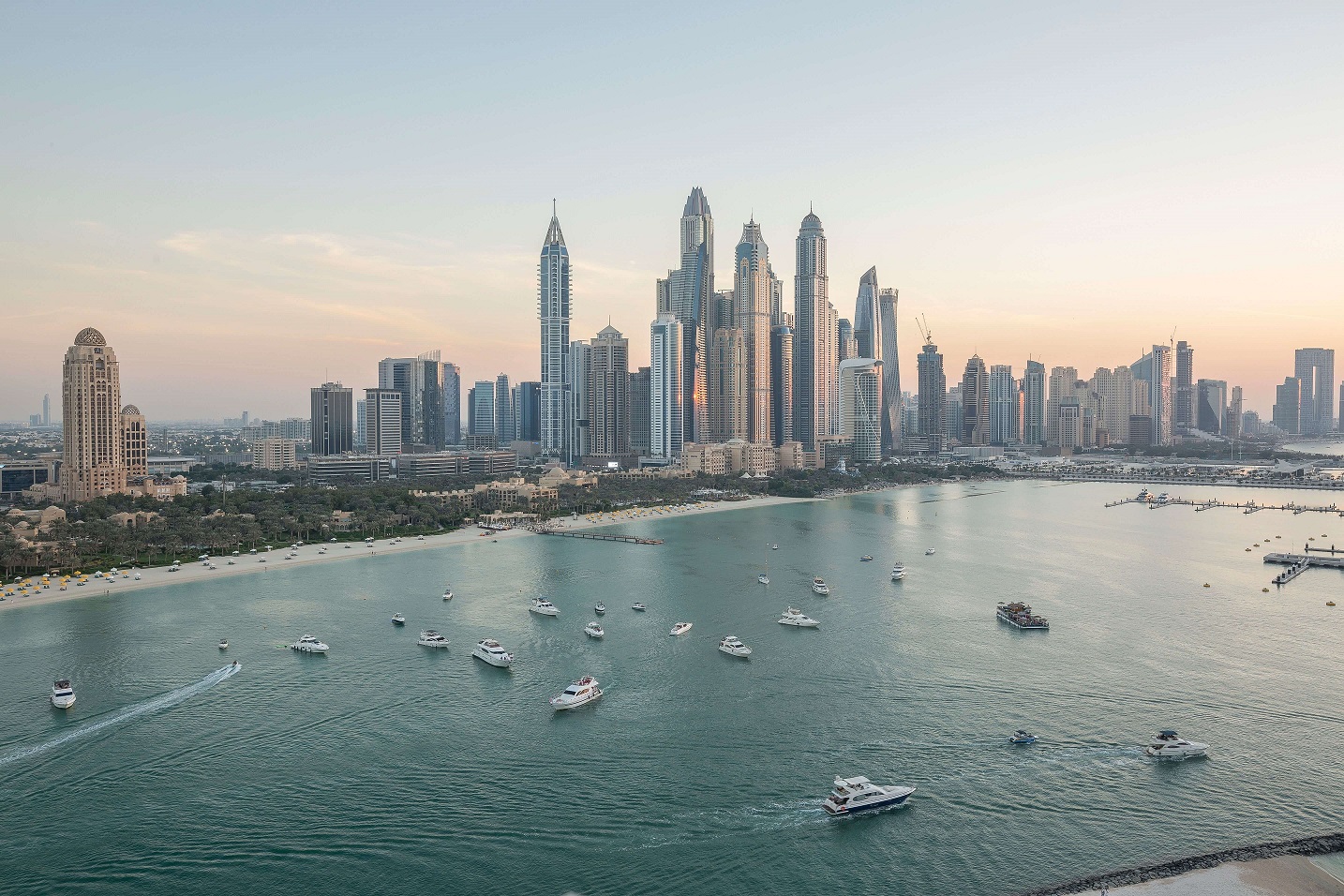
Photo credit: Dubai Marina skyline at dusk with boats on the water — Abid Ali, Pexels.com