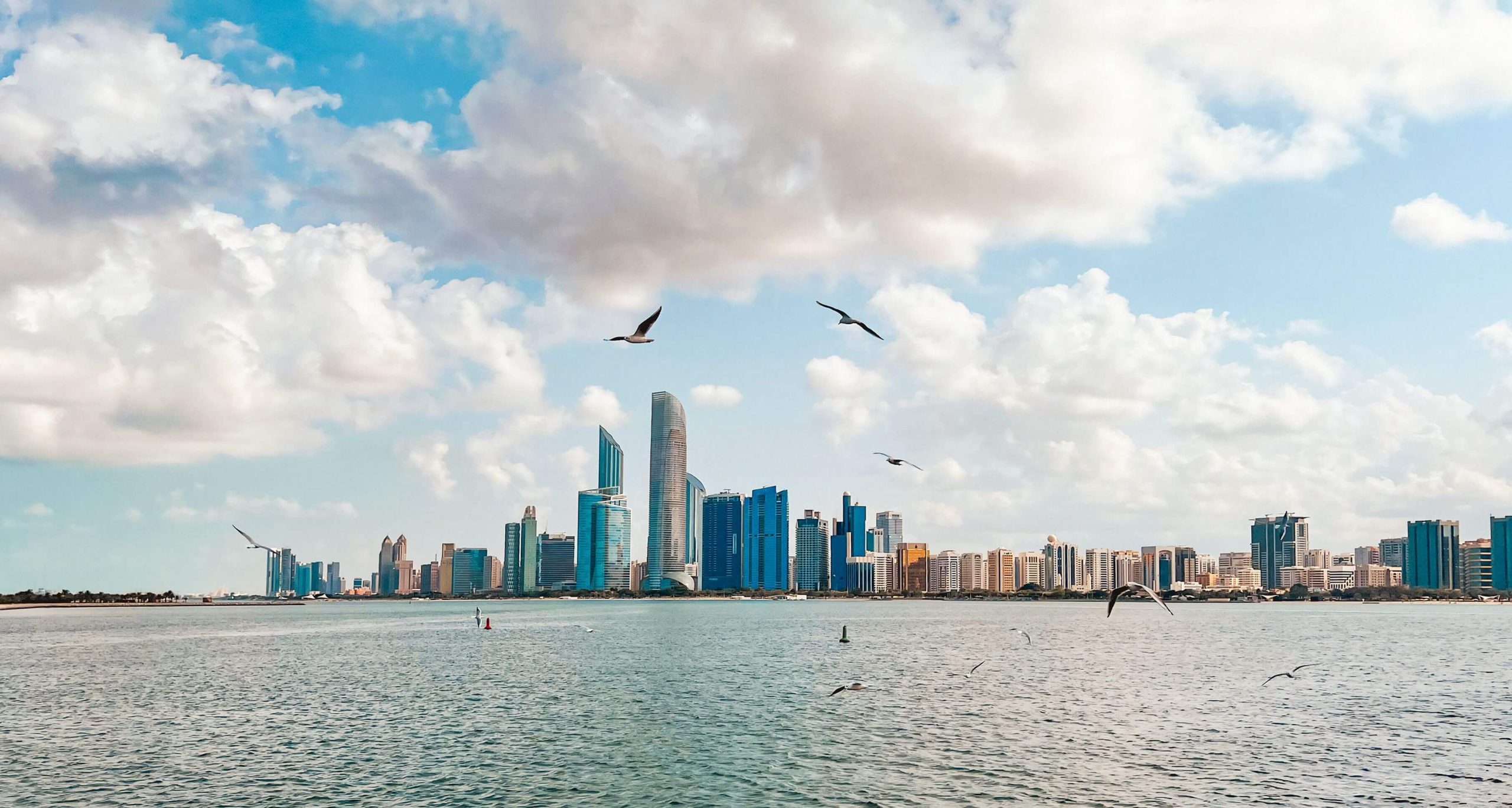
How the UAE Is Becoming a Global Islamic Finance Hub
The UAE is becoming a global Islamic finance hub as growing capital flows connect the Gulf with Asia, Africa and emerging markets.
The global Islamic finance industry is entering a new phase. While Islamic banking and sukuk markets have expanded significantly, the next challenge is improving the connection between available capital and high-growth markets.
According to Standard Chartered’s latest report, Islamic Banking for Financial Institutions: The Islamic Finance Connector Era, global Islamic finance assets are approaching USD 6 trillion. However, only 6% of global sukuk capital currently reaches South Asia and Africa, highlighting a major opportunity to strengthen connections between investors and emerging economies.
For the UAE, this represents a strategic opportunity to reinforce its role as a global financial bridge.
UAE’s growing role in Islamic finance
Located at the crossroads of major economic regions, the UAE has developed into a financial hub connecting capital, trade and investment between the GCC, Asia, Africa and Europe.
The country’s financial ecosystem combines:
- established Islamic banking capabilities;
- strong capital markets;
- digital finance innovation;
- supportive regulatory frameworks;
- access to international investors.
The UAE’s National Strategy for Islamic Finance and Halal Industry 2031 further supports its ambition to expand Islamic capital markets and strengthen its position as a global centre for Shariah-compliant finance.
Unlocking capital for emerging markets
Many emerging economies face significant financing gaps in infrastructure, housing and sustainable development.
Islamic finance instruments, including sukuk and Shariah-compliant investment structures, can help connect long-term capital with projects that support economic growth.
For Africa, stronger links with Gulf investors could create opportunities across sectors including:
- affordable housing;
- renewable energy;
- infrastructure;
- agriculture;
- technology;
- trade finance.
As African economies continue to develop, access to diversified international capital will become increasingly important.
Why sukuk markets are gaining importance
Sukuk have become one of the most important instruments in Islamic capital markets.
Similar to conventional bonds in their fundraising purpose, sukuk are structured around Islamic finance principles and are increasingly used by governments, financial institutions and companies to finance development projects.
The UAE has emerged as one of the leading markets for sukuk issuance, supported by investor confidence, financial expertise and growing demand for sustainable investment opportunities.
Digital transformation of Islamic finance
Technology is expected to play a major role in expanding access to Islamic capital.
Digital platforms, tokenisation and modern payment infrastructure could make cross-border investment more efficient while improving transparency and accessibility.
For emerging markets, digital financial solutions may help reduce traditional barriers and create new channels for connecting investors with businesses and development projects.
The next investment corridor: Gulf, Africa and Asia
The future of Islamic finance will depend not only on the availability of capital but also on the ability to direct that capital towards markets with strong growth potential.
The UAE’s strategic location and financial infrastructure give it a unique opportunity to become a connector between:
- Gulf investors seeking new opportunities;
- African economies requiring development finance;
- Asian markets expanding global trade links.
As Islamic finance continues to evolve, the UAE is positioning itself not only as a centre for Islamic banking, but also as a gateway connecting global capital with emerging markets.
Source:
Standard Chartered report: Islamic Banking for Financial Institutions: The Islamic Finance Connector Era
https://www.sc.com/en/corporate-investment-banking/islamic-banking/financial-institutions-report/
Image credit:
Kevin Villaruz / Pexels