Bridging Cultures, Building Economies: The Gulf’s Role in Africa’s Cultural and Creative Rise
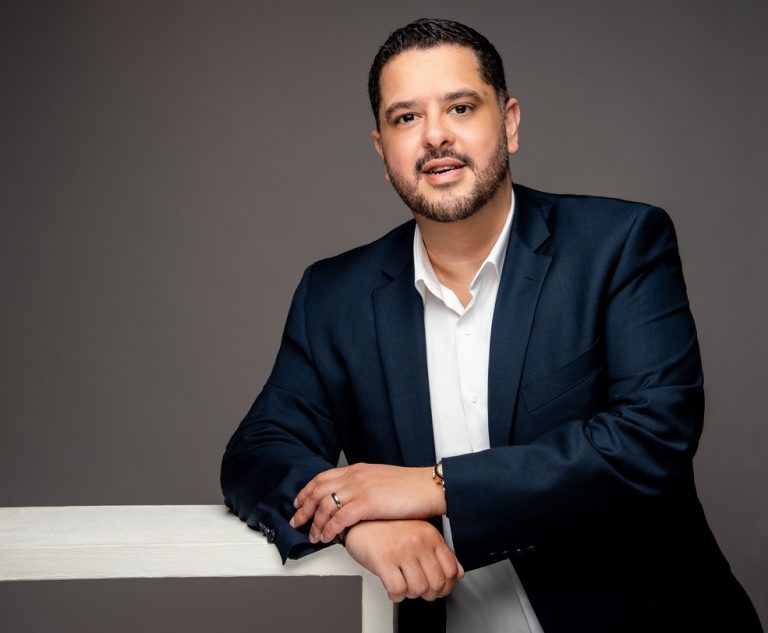
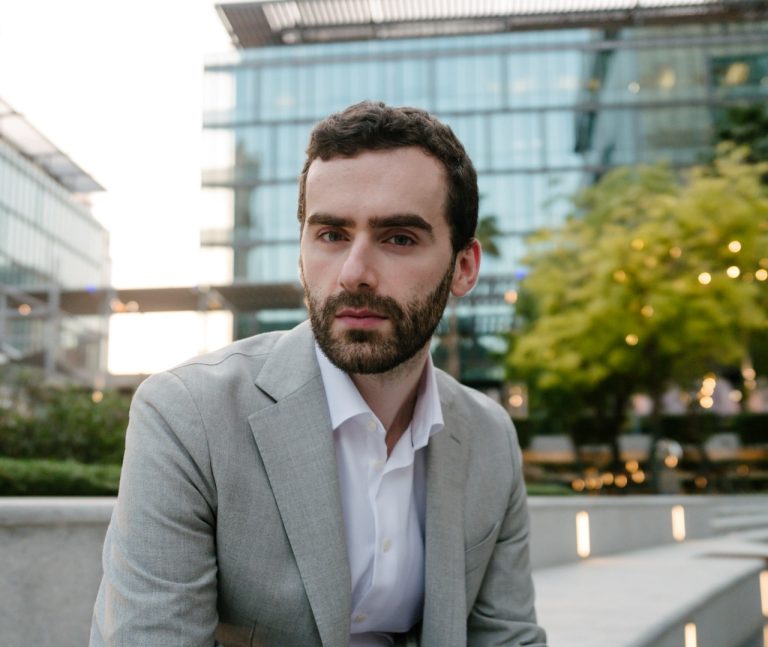
by Kayode Adebayo, CEO of Ckrowd and Board Director of ArtsConnectAfrica
As the UAE deepens its global economic footprint, a powerful tool of soft diplomacy is gaining momentum: cultural integration. Nowhere is this more evident than in the growing ties between the Gulf and Africa, driven not only by trade and investment but increasingly by music, art, and storytelling.
In 2023, the UAE emerged as Africa’s largest foreign investor, committing nearly $110 billion across infrastructure, energy, and logistics sectors, a 17% increase from the previous year and overtaking China for the first time. However, beyond ports and pipelines lies a lesser-known but equally impactful movement: the Gulf’s growing embrace of Africa’s cultural and creative economy.
Cultural Exchange as Economic Strategy
Recent festivals and platforms in the UAE have showcased the continent’s vibrant heritage and positioned African cultural entrepreneurs on global stages. For example, the All Africa Festival in Abu Dhabi drew over 12,000 attendees in 2024, with programming spanning live music, art exhibitions, and culinary showcases. Events like this not only celebrate Africa’s creative vibrancy but also drive tourism, create jobs, and nurture deeper socio-economic ties. In 2023, Dubai’s creative sector contributed over $11.3 billion (AED 41.90 billion) to the emirate’s GDP and supported more than 100,000 jobs, signalling the tremendous potential of cultural industries as engines of economic growth.
These cultural activations are more than entertainment; they are investments. The UAE Ministry of Culture, in collaboration with UNESCO, ALIPH, and the African World Heritage Fund, has committed millions of dollars to restore World Heritage sites in Africa, including recent projects in Mali and Ethiopia. This initiative signals a long-term vision: preserve the past, empower the present, and commercialise the future of cultural tourism across borders.
In parallel, platforms like Ckrowd (a creator-focused African streaming and monetisation tool with over 400,000 active monthly users as of mid-2024) are exploring partnerships that can deliver African stories to UAE audiences digitally, bridging creative communities and investors from both regions.
Creative Industries as Diplomatic Currency
Africa’s youth (over 60% of the continent’s 1.4 billion population) are at the forefront of its creative surge. From Afrobeats, which now garners over 13 billion global streams per year, to fashion labels featured at international expos, young Africans are building exportable cultural assets that resonate worldwide.
The Gulf region, with its robust infrastructure and appetite for cultural diplomacy, is an ideal collaborator in scaling this momentum. The Sharjah Art Foundation, through recurring events like the Sharjah Biennial and its strong showing at Expo 2020 Dubai, has already demonstrated the power of cross-continental cultural dialogue. These platforms go far beyond exhibitions; they serve as diplomatic bridges, fostering cultural licensing deals, creative residencies, and market expansion opportunities for African creators.
The cultural affinity between Africa and the Gulf, fostered by historic trade routes and shared diasporic ties, has the potential to evolve into a mutually beneficial creative corridor. By commercialising tourism through African art, music, and festivals, both regions can stimulate SME growth, expand hospitality sectors (Africa’s travel and tourism sector alone hit $168 billion in 2023) and deepen cultural literacy.
Africa x Gulf: A Blueprint for Creative Collaboration
For this synergy to become sustainable, governments, private sector leaders, and cultural entrepreneurs must institutionalise it. Here’s how:
- Cultural Policy Frameworks: Develop bilateral cultural exchange policies to support festival funding, artist mobility, and creative infrastructure.
- Joint Venture Incubators: Launch incubators in both Africa and the UAE, focusing on cultural tech, IP management, and media distribution.
- Tourism Linkages: Integrate African festivals into the UAE’s annual tourism calendar and position them in global travel and hospitality campaigns.
- Youth-Centred Training: Support digital literacy and creative entrepreneurship programs through organisations like the Mastercard Foundation, UNESCO, and GCC-based development entities.
At the heart of this movement is Arts Connect Africa (ACA), a pan-African cultural organisation committed to amplifying African music and storytelling worldwide. ACA’s convenings, from Harare to Dakar, are reshaping how African stories are told and sold. By leveraging digital platforms like Ckrowd, they empower artists to connect directly with audiences, bypassing traditional gatekeepers and creating new monetisation pathways that centre African ownership.
The Future Is Cross-Continental
Africa and the Gulf share more than proximity; they share ambition. As the creative economy becomes a central pillar of global trade, tourism, and identity (with Africa’s creative industries projected to add over $20 billion to the continent’s GDP by 2030), the opportunity to build an Afro-Gulf cultural alliance has never been stronger.
For UAE businesses, policymakers, and cultural investors, the time to act is now. Support the festivals. Fund the storytellers. Build the infrastructure. Let us turn the celebration of African culture into a cornerstone of Gulf-Africa cooperation, where art meets opportunity and heritage fuels innovation.
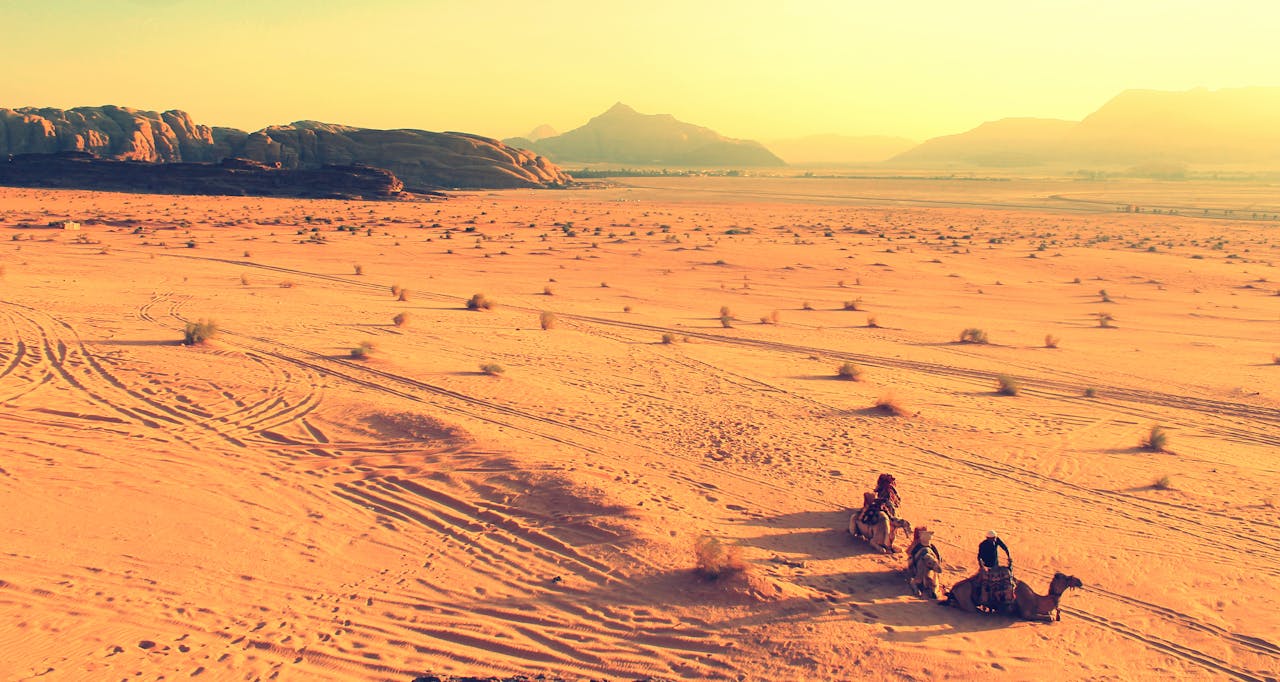
Photo credit: Oday Hazeem via Pexels